
How to take MCT oil: dosage, timing, duration
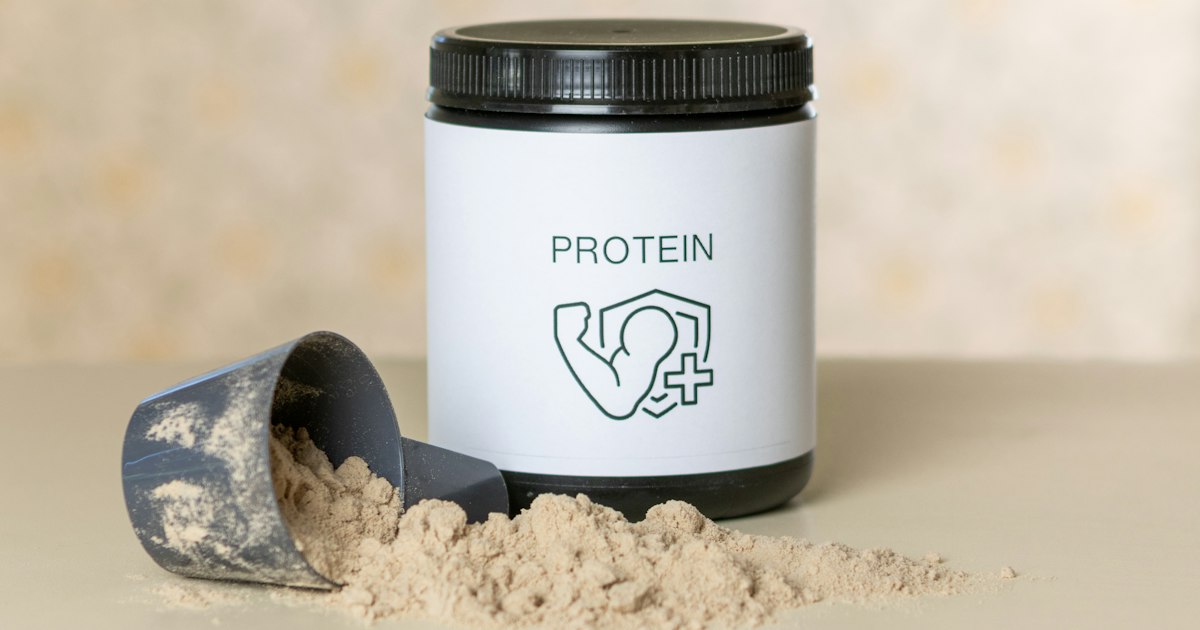
MCT oil is one of the few supplements where the method of intake matters no less than the product itself. A wrong start easily ends in abdominal discomfort, while a correct one lets you enjoy its benefits comfortably. Our editorial team has gathered guidelines on dosage, timing, and duration of use.
Why people take MCT oil
Before discussing dosage, our editorial team advises deciding on your goal. MCT oil is used for various reasons: as a quick source of energy, as a tool for raising ketone body levels on a low-carbohydrate diet, as part of a weight-control program, and in medicine as a component of therapeutic nutrition for fat malabsorption disorders.
Both the reasonable dose and the timing depend on the goal. A person on a keto diet needs to achieve a noticeable rise in ketones, whereas someone who simply adds MCT to coffee instead of cream needs only a small amount for taste and a feeling of satiety.
Sports performance deserves a separate mention. Despite the popularity of MCTs among athletes, the review by Clegg (2010) and the ACSM position on athlete nutrition do not confirm that MCT oil improves endurance performance. So expectations of it in sport should be modest.
Finally, you need to understand that MCT is a fat with a calorie content of about 8.3 kcal/g. Its intake should fit into your overall energy balance rather than be added “on top” of the diet.
Dosage: where to start and how much is allowed
There is no universal “correct” MCT dose, but clinical practice provides clear guidelines. The main rule is to start with small amounts, since it is precisely an abrupt start that most often ends in gastric discomfort.
A typical start is about 5 g (one teaspoon) per day. If there are no unpleasant symptoms for several days, the dose is increased by 5 g every few days up to 15–20 g per day, split into 2–3 intakes. In the study by St-Onge and Bosarge (2008), participants in a weight-loss program consumed approximately 18–24 g of MCT oil per day as part of their diet.
| Goal | Approximate daily amount | Comment |
|---|---|---|
| Getting acquainted with the product | 5 g | Assessing tolerance |
| Supporting satiety, replacing part of the fats | 10–20 g | In 2–3 intakes with food |
| Maintaining ketosis on a low-carbohydrate diet | 15–30 g | Only after adaptation, split up |
| Therapeutic nutrition (epilepsy, malabsorption) | Determined by a doctor | Under the supervision of a dietitian |
Many people tolerate single portions over 15–20 g poorly. If the daily amount is large, it is better to split it into several intakes together with food.
The upper limit is determined primarily by tolerance and the calorie content of the diet. For most healthy adults there is no need to exceed 30 g per day, unless it is a therapeutic diet under specialist supervision.

When to take it: the effect of timing
The most convenient and common option is in the morning, together with breakfast or coffee. Medium-chain fatty acids are quickly oxidized in the liver, so morning intake provides a mild rise in ketones and a feeling of satiety in the first half of the day.
Intake before a workout is popular, but our editorial team advises approaching it with caution. Studies by Jeukendrup (1998) and Goedecke (2005) showed that large amounts of MCT during prolonged exercise can cause gastric problems and even reduce performance. If you want to take the oil before a workout, do it at least 60–90 minutes beforehand and in a small portion.
For those following a ketogenic diet, it makes sense to distribute MCT evenly throughout the day, for example by adding it to each main meal. This keeps ketones more stable and puts less strain on digestion.
Evening intake is not forbidden, but some people note that fatty food in the evening worsens their sleep or digestion. The principle of individual experience applies here: if there is no discomfort, the timing can be chosen freely.
It is better not to drink the oil “by the spoonful” on an empty stomach: this is the most common cause of nausea. Combining it with proteins or fiber slows absorption and makes intake more comfortable.
Duration of use and breaks
MCT oil is a food product, not a medication, so no formal “courses” are set for it. In the randomized studies included in the meta-analysis by Mumme and Stonehouse (2015), the duration of use ranged from a few weeks to several months without serious side effects.
For therapeutic ketogenic diets, MCT is used for months and years, but always with regular monitoring of indicators. For an ordinary user it is reasonable to assess the result after 4–8 weeks: whether the set goal has been achieved and whether there are any undesirable changes in well-being and weight.
Breaks are not mandatory but can be useful for understanding how much the product is really needed. If you notice no difference after stopping, MCT may not be giving you a substantial benefit.
People with elevated cholesterol should periodically check their lipid profile, since the data on the effect of MCTs on lipids are ambiguous, and long-term consumption of saturated fats in large amounts requires monitoring.
Practical tips for use
A few simple rules will help you get the most benefit from MCT oil with the fewest troubles:
- add the oil to coffee, smoothies, yogurt, salad dressings, or porridge;
- do not use MCT for frying — its smoke point is lower than that of most culinary oils;
- for coffee, a powdered form or blending is more convenient so that the oil does not float on the surface;
- store the bottle tightly closed, away from light and heat;
- account for the oil's calories in your daily diet.
As for composition: products dominated by caprylic acid (C8) give the highest ketogenic effect. A study by Vandenberghe and colleagues (2017) showed that pure tricaprylin raises ketone levels more noticeably than coconut oil or C8/C10 blends.
Coconut oil is not a full substitute for MCT oil: it contains a significant proportion of lauric acid (C12) and long-chain fats, which behave differently in the body.
If your goal is energy during long workouts, carbohydrates remain the more effective and better-studied solution. MCT can be considered only as a supplement to nutrition, not as the main fuel.
Editorial conclusions
The optimal strategy for taking MCT oil is a slow start with 5 g per day, a gradual increase to 10–20 g split into several intakes with food. Larger doses are advisable only for ketogenic diets and after adaptation.
The most convenient time is the morning or meals during the day. Before and during a workout, large portions are best avoided.
There are no formal courses, but it is worth periodically assessing the benefit, weight, and lipid profile.
We also recommend reading our articles “Side effects of MCT oil,” “What to combine MCT oil with,” and “Myths about MCT oil.”
References
- Mumme K, Stonehouse W. Effects of medium-chain triglycerides on weight loss and body composition: a meta-analysis of randomized controlled trials. J Acad Nutr Diet. 2015;115(2):249–263.
- St-Onge MP, Bosarge A. Weight-loss diet that includes consumption of medium-chain triacylglycerol oil leads to a greater rate of weight and fat mass loss than does olive oil. Am J Clin Nutr. 2008;87(3):621–626.
- Vandenberghe C, St-Pierre V, Pierotti T, Fortier M, Castellano CA, Cunnane SC. Tricaprylin alone increases plasma ketone response more than coconut oil or other medium-chain triglycerides: an acute crossover study in healthy adults. Curr Dev Nutr. 2017;1(4):e000257.
- Clegg ME. Medium-chain triglycerides are advantageous in promoting weight loss although not beneficial to exercise performance. Int J Food Sci Nutr. 2010;61(7):653–679.
- Jeukendrup AE, Thielen JJ, Wagenmakers AJ, Brouns F, Saris WH. Effect of medium-chain triacylglycerol and carbohydrate ingestion during exercise on substrate utilization and subsequent cycling performance. Am J Clin Nutr. 1998;67(3):397–404.
- Goedecke JH, Clark VR, Noakes TD, Lambert EV. The effects of medium-chain triacylglycerol and carbohydrate ingestion on ultra-endurance exercise performance. Int J Sport Nutr Exerc Metab. 2005;15(1):15–27.
- Thomas DT, Erdman KA, Burke LM. American College of Sports Medicine joint position statement: nutrition and athletic performance. Med Sci Sports Exerc. 2016;48(3):543–568.
- Bach AC, Babayan VK. Medium-chain triglycerides: an update. Am J Clin Nutr. 1982;36(5):950–962.
Andriy Melnyk
A strength-sports coach and author of programs for beginner and intermediate levels. Writes about training planning.